
How to Choose the Right Glass Display Cabinet Factory for Your Wholesale Business
In the competitive world of retail and commercial furnishing, the quality of your inventory is the backbone of your brand’s reputation. For wholesalers and B2B buyers, sourcing glass display cabinets isn’t just about finding the lowest price—it’s about finding a manufacturing partner that offers a synergy of durability, aesthetic appeal, and supply chain stability.
As a professional manufacturer rooted in the Luoyang Steel Furniture Industrial Belt, we understand that the right factory can be the difference between a high-profit season and a logistical nightmare. This guide outlines the five core pillars you must evaluate when selecting a glass display cabinet factory for a long-term OEM/ODM partnership.
How to Choose the Right Glass Display Cabinet Factory?
1. Evaluate Core Materials and Structural Integrity
The longevity of a display cabinet starts with its “skeleton.” For commercial use, wood or low-grade metals often fail to meet the rigors of high-traffic retail environments.
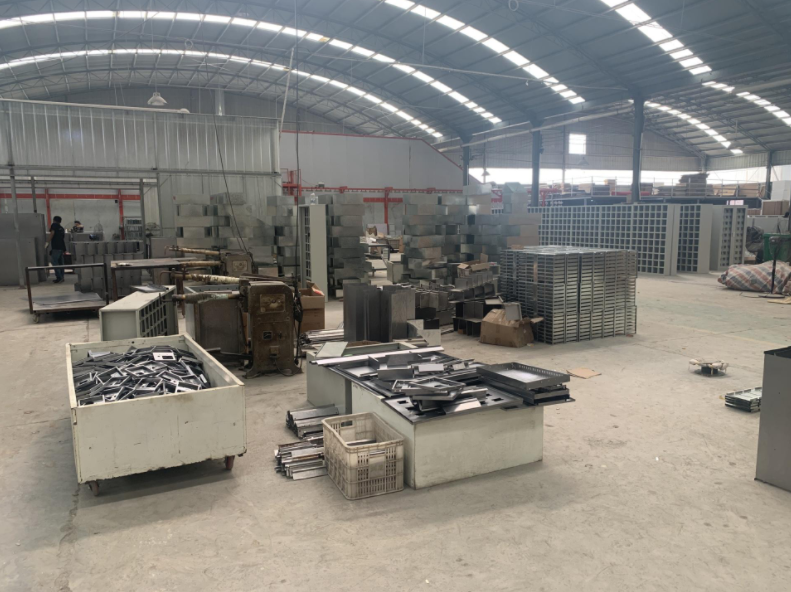
- Premium Cold-Rolled Steel (SPCC): Ensure the factory uses high-standard cold-rolled steel. Unlike hot-rolled alternatives, cold-rolled steel offers a smoother finish and higher strength-to-weight ratio.
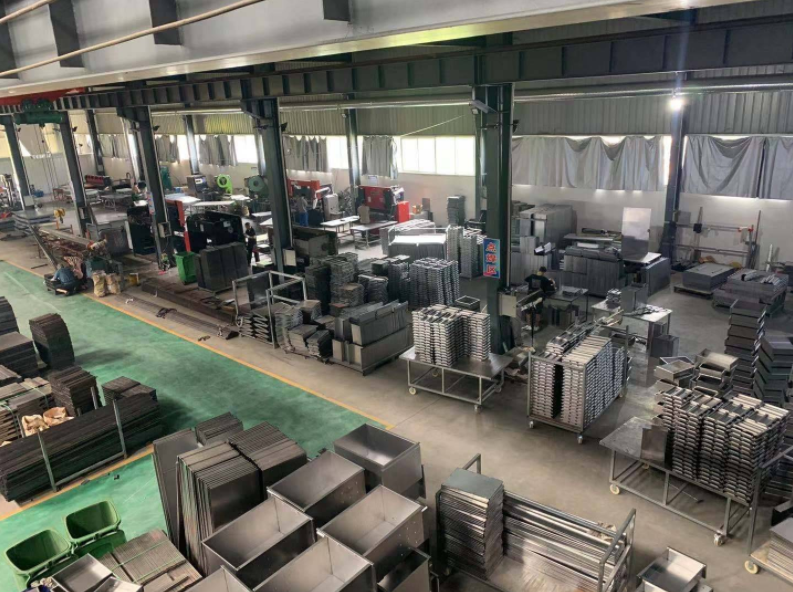
- Integrated Molding Process: Look for factories that utilize advanced bending and welding techniques. A cabinet body formed through integrated rolling is significantly more stable and has a higher load-bearing capacity than one held together by basic screws.
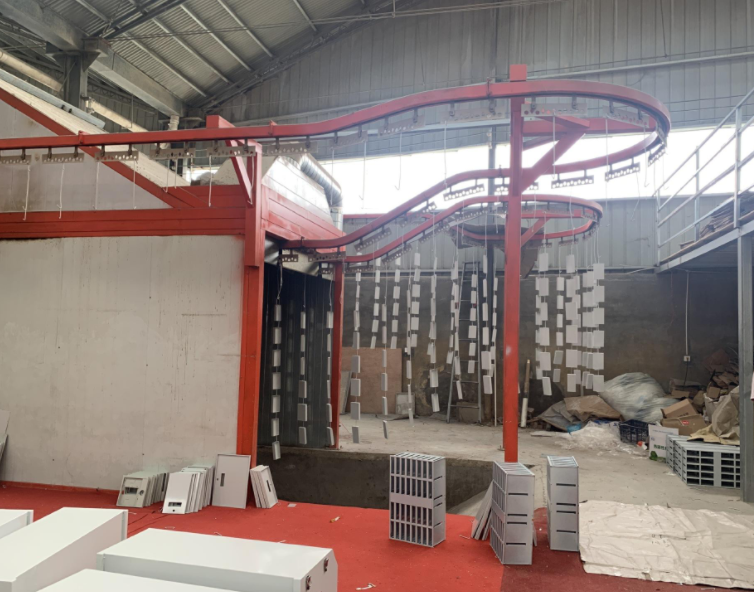
- Surface Treatment: The finish isn’t just for looks. Advanced electrostatic powder coating provides a non-toxic, eco-friendly layer that resists scratches, rust, and corrosion. This is vital for clients in humid or coastal regions.
Comparison: Professional Factory vs. Small Workshop
| Feature | Professional Factory (e.g., Juntuo) | Small-Scale Workshop |
| Material | Standard SPCC Cold-Rolled Steel | Mixed-grade or scrap metal |
| Glass | Certified Tempered Safety Glass | Regular annealed glass (shatters easily) |
| Coating | Automated Electrostatic Powder Line | Manual spray painting (prone to peeling) |
| Precision | CNC Laser Cutting (<0.1mm error) | Manual cutting (uneven joints) |
2. Assess OEM/ODM and Customization Flexibility
Wholesalers often serve diverse niches—from high-end jewelry boutiques to heavy-duty hardware stores. A factory that only produces “standard sizes” limits your market reach.
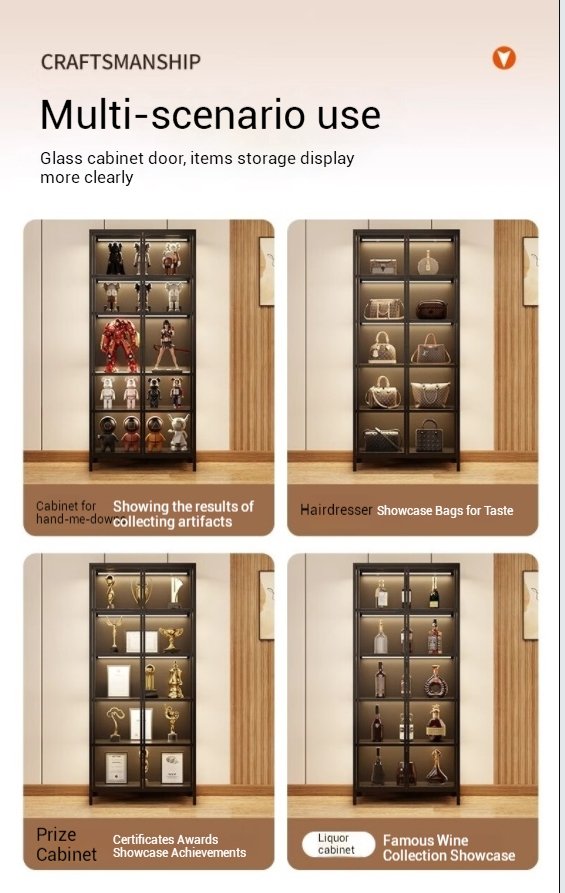
A true OEM/ODM partner should offer:
- Structural Customization: Can they adjust the number of shelves or add LED lighting systems based on your drawings?
- Aesthetic Variety: Do they offer different finishes (matte, glossy, wood-grain texture) and glass types (frosted, ultra-clear, or tinted)?
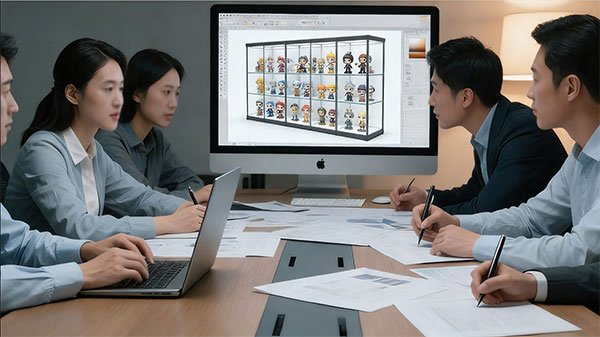
- Prototyping: A reliable factory will provide a sample or a 3D CAD design before mass production to ensure the final product aligns perfectly with your market’s expectations.
3. Deep Dive into Quality Control (QC) Systems
In the B2B sector, one bad batch can ruin a years-long relationship with a retail client. You need to know exactly how the factory monitors quality.
Key Questions to Ask:
- What is the load-bearing capacity per shelf? A professional factory will have internal test reports showing that a shelf can hold, for example, 50kg–100kg without deformation.
- What glass standards are followed? For international markets, tempered glass is a must. Ask if it meets CE or ASTM standards for impact resistance.
- Are the hardware components durable? Check the quality of locks, hinges, and drawer slides. High-frequency use in stores requires hardware that won’t jam or break after 10,000 cycles.
4. International Trade and Logistics Expertise
Glass is fragile. Steel is heavy. This combination makes international shipping a challenge. A factory might make a great product, but if they can’t ship it safely, it’s useless to you.
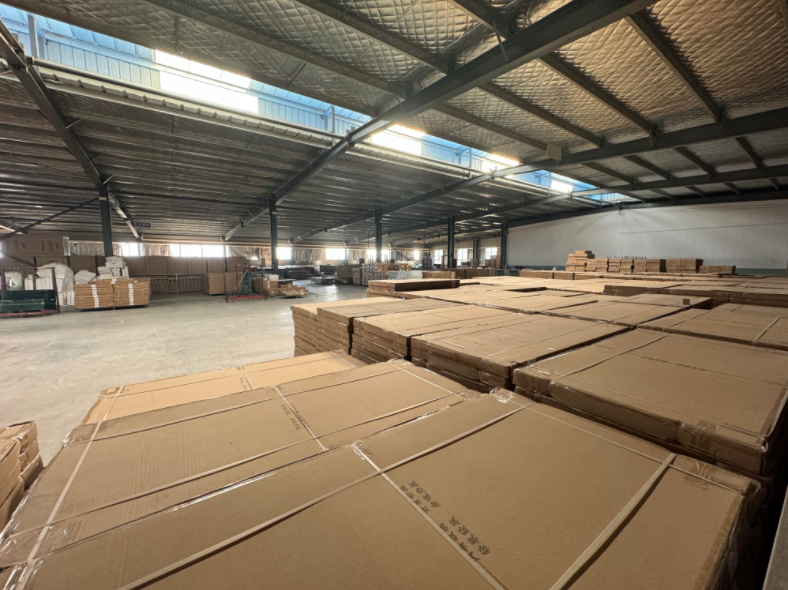
- Export-Grade Packaging: Look for factories that use “5-layer corrugated cartons” combined with expandable polystyrene (EPS) foam and edge protectors. For high-value glass items, honeycomb board packaging or wooden crates are often necessary.
- Loading Efficiency: An experienced factory knows how to maximize container space (CBM optimization), reducing your per-unit shipping cost.
- Lead Time Reliability: In the wholesale business, “time is money.” Confirm their monthly production capacity. A factory with automated CNC lines is much more likely to hit deadlines during peak seasons than a labor-intensive shop.
Expert Tip: Ask for photos of their previous export loadings. This gives you immediate insight into their professionalism and attention to detail.
5. After-Sales Support and Collaborative Value
A transaction shouldn’t end when the container leaves the port. The best factories view themselves as an extension of your team.
- Warranty Terms: Clear warranty policies for structural defects show the manufacturer’s confidence in their work.
- Marketing Support: Some top-tier factories provide high-resolution product photos, assembly videos, and technical datasheets that you can use directly on your own website or catalogs.
- Installation Guidance: Since many display cabinets are shipped Knocked-Down (KD) to save freight, having clear, multilingual assembly instructions is crucial for your end customers.
Your Success Starts with the Right Source
Choosing the right glass display cabinet factory is a strategic investment. By focusing on material science, customization depth, rigorous QC, and export experience, you secure a supply chain that allows you to scale with confidence.
As a dedicated manufacturer in Luoyang, Juntuo (Hengna Office Furniture) specializes in high-durability steel and glass solutions. We don’t just supply furniture; we provide the structural foundation for your wholesale success.